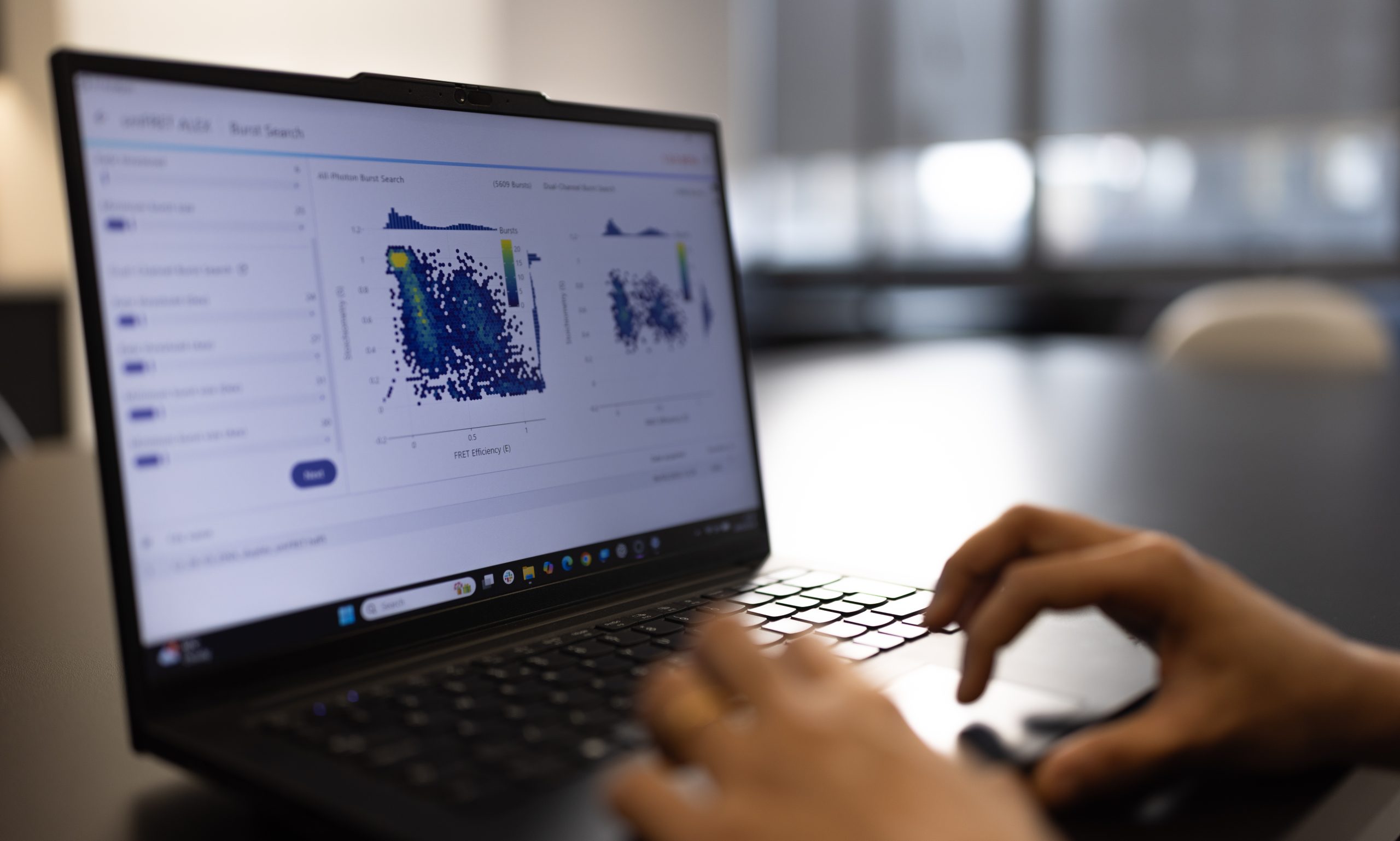
What if your facility could offer the campus in-solution single-molecule capabilities – resolving transient structural intermediates, measuring picomolar binding affinities in cell lysates, and mapping complex interactions – all on a standard laboratory benchtop, without users needing a physics degree?
Dynamic single-molecule techniques like smFRET, FCS, and FCCS are powerful tools for bringing static molecular structures to life.
Historically, however, these methods have been locked away in specialist labs and darkrooms – until now.
True democratisation happens when we break down both infrastructural and operational barriers, transforming complex biophysical technologies into accessible but still rigorous methods for modern life sciences research.
It is this exact challenge that inspired the development of the EI-FLEX and EI-FLEX Pro systems; by combining user-friendly software, bespoke workflows and validated assay kits, we are bringing accessible biophysics to every bench.
This article explores how a new generation of benchtop instrumentation is breaking down these traditional barriers to transform core facilities:
- Infrastructure liberation: Moving complex optical techniques out of isolated darkrooms and onto standard laboratory benches
- User independence: Slashing the training runway from months to hours with dedicated kits, workflows and code-free analysis software
- Application diversity: Three techniques in one that complement existing biophysical and structural pipelines while broadening project scopes across multiple departments
- Collaborative scale: Driving maximum utility through automated alignment, comprehensive support and multi-well plate acquisition
Heavy-duty performance on a standard bench
The traditional blueprint for advanced single-molecule biophysics is intimidating: a dedicated darkroom, vibration-isolated optical tables, strict laser-safety curtains, and a climate-control system to maintain a hyper-specific temperature. This is all before we even introduce instrumentation. For a multi-user shared facility, securing and maintaining this level of infrastructure is costly and demanding.
The EI-FLEX was designed to transition single-molecule resolution out of the specialist silo and onto the standard laboratory benchtop by consolidating multiple advanced biophysical techniques into one benchtop machine that operates in ambient light.
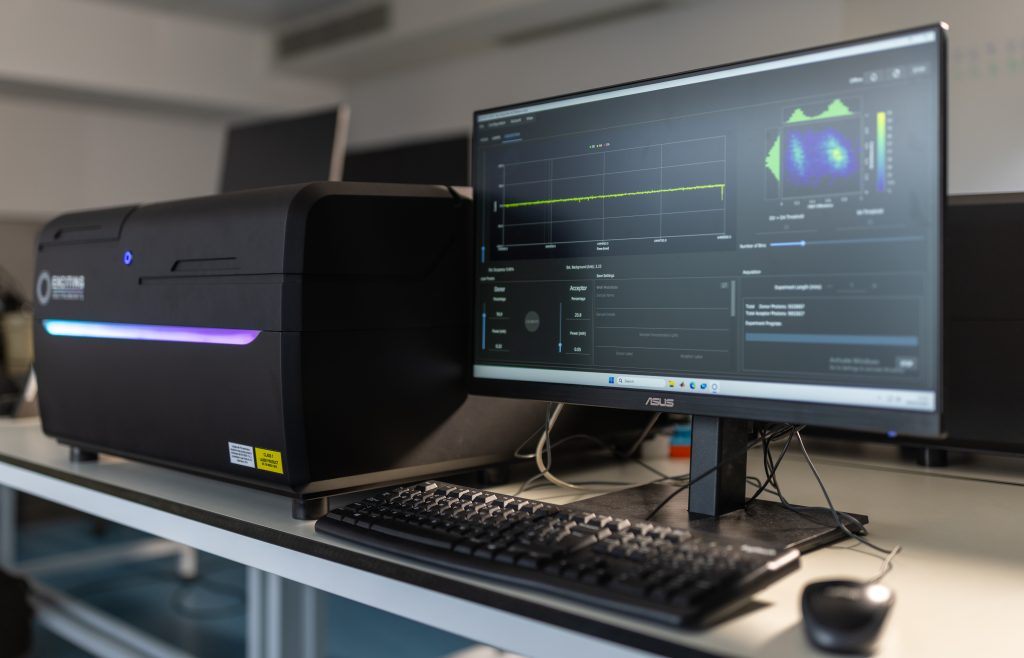
- No darkrooms required: Operating entirely under ambient conditions, the platform eliminates the need for complex infrastructure. It integrates seamlessly into existing facility footprints
- Low setup and running requirements: It bypasses the delicate, high-maintenance vulnerabilities of home-built systems, offering a plug-and-play architecture that minimises the time between delivery and first data collection
- Engineered for heavy multi-user operation: A core facility asset must be resilient. With a robust design and automated laser alignment options, the system is explicitly built to withstand the rigorous demands and varied handling of a rotating multi-departmental user base
By pairing this with comprehensive end-to-end workflow support, low ongoing maintenance requirements, and comprehensive service plans, the EI-FLEX platform gives facility managers a highly dependable asset. It ensures that the instrument remains operational and accessible, rather than sitting idle waiting for a specialist technician to realign the optics.
Low sample requirements, experimental flexibility
Traditional biophysical workflows are often complicated by sample scarcity and preparation time. Academic projects frequently stall because a student must spend weeks optimising the purification of a fragile protein, only to consume the entire yield in a handful of experimental runs.
The EI-FLEX system operates at the single-molecule level, often only requiring picomolar concentrations per run, preserving precious materials for downstream validation. Furthermore, by evaluating molecules freely diffusing in solution, it drastically simplifies preparation as immobilisation is not required. Researchers can often bypass extensive purification protocols entirely, testing hypotheses directly in native-like environments such as cell lysates or serum.
This efficiency can scale even further with the well-plate compatibility of the EI-FLEX Pro. Moving to a 96- or 384-well plate format in an academic setting enables collaborative flexibility.
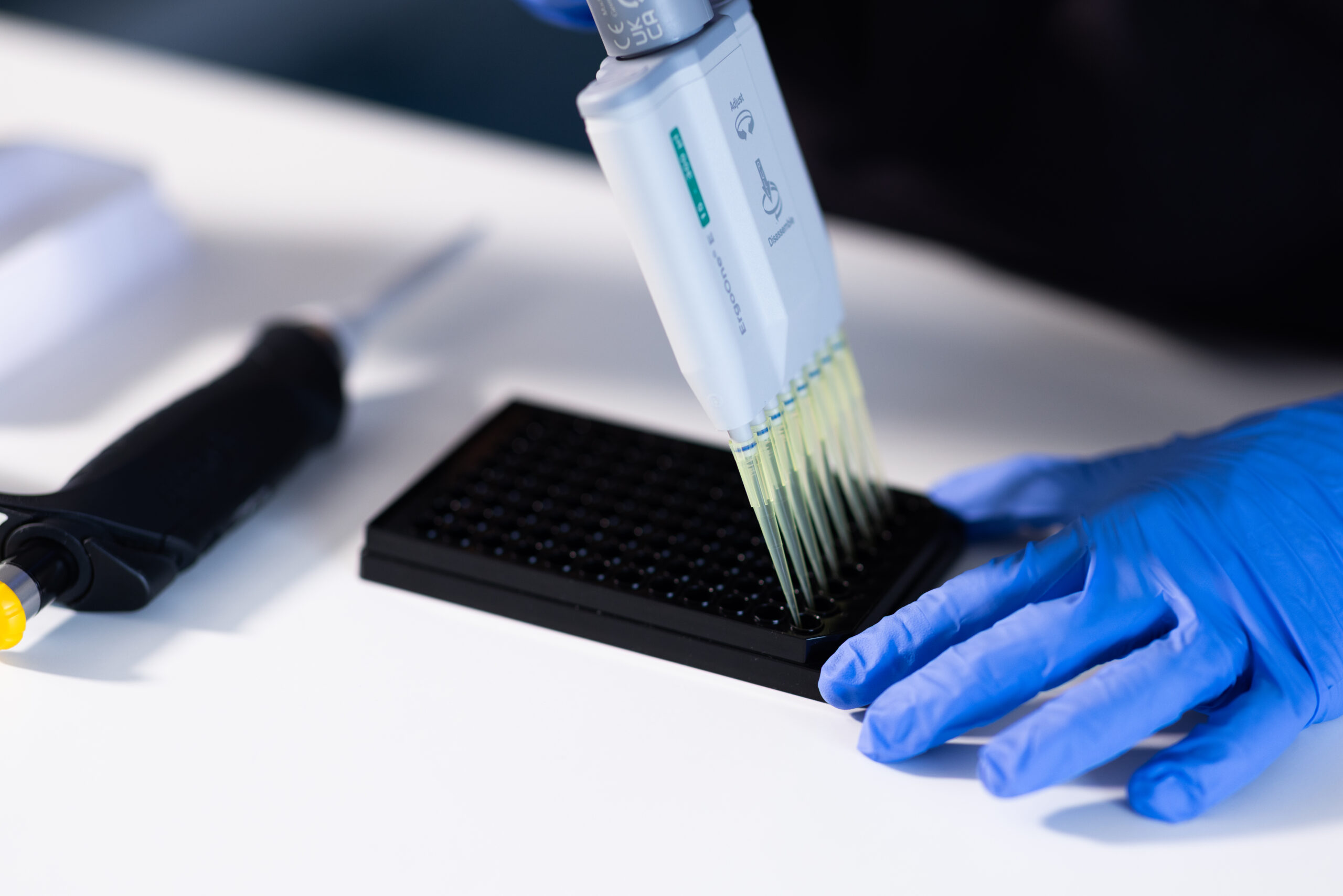
It allows a facility to handle large experimental setups, such as mapping how a protein behaves across a vast gradient of pH, salts, or stabilisers, in a single afternoon. Crucially, it enables a shared plate economy, where multiple users can load their distinct experiments onto a single plate and let data collection proceed unattended. This increases access and efficiency, and ultimately, the scientific output of the institution.
From intimidation to independence: Designed for non-experts
Training new users is one of the greatest operational bottlenecks in an academic core facility. Superusers must manage a constant rotation of master’s students, PhD candidates, and postdocs, meaning an instrument’s utility is heavily limited if it requires months of specialised technical oversight. If only a handful of academics on campus can run the machine, the facility risks creating a knowledge monopoly and significant instrument downtime the moment those researchers graduate or move on.
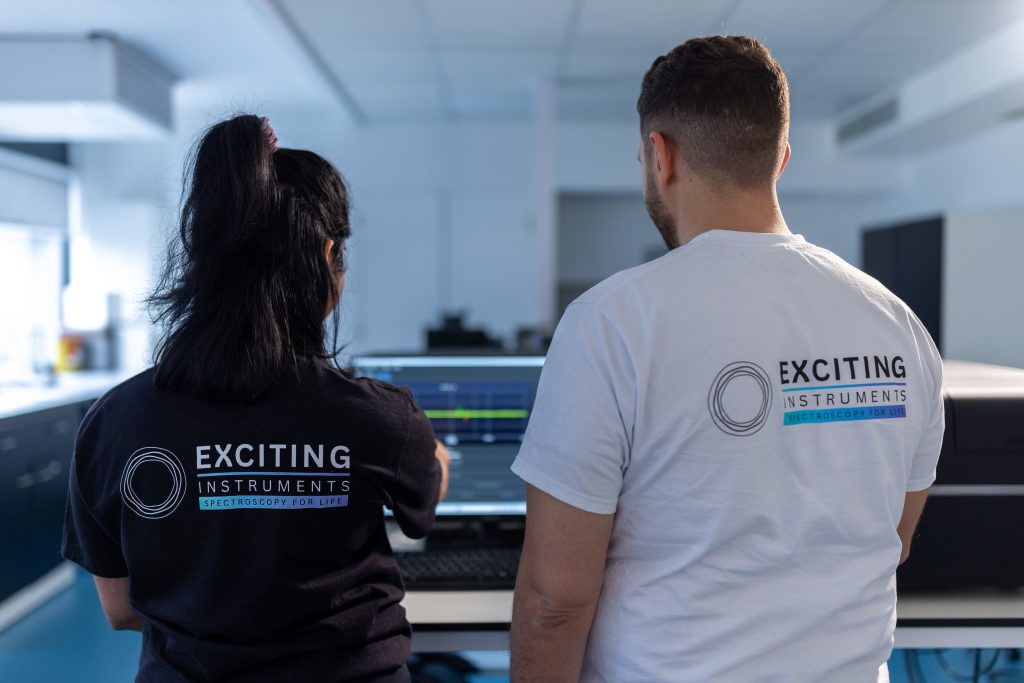
True democratisation means making advanced biophysics approachable to everyone across the life sciences. The EI-FLEX system is designed specifically to accommodate non-experts, meaning users can spend more time collecting robust data, rather than worrying about whether they are using the instrument correctly.
Streamlined onboarding
Traditional single-molecule methodologies are notoriously unforgiving, requiring complex mechanical alignments before a single usable photon can be collected. By automating these baseline configuration steps, the platform replaces user anxiety with independent operation:
- Rapid onboarding: Simple, guided workflows mean that new users can be trained and running independent experiments within hours – a fraction of the time required by traditional setups
- End-to-end workflow support: To ensure accessibility, from experimental design through to the final figure, the EI-FLEX system sits within a wider Exciting Ecosystem, where users can access technical support from our dedicated team, online resources, alongside bespoke kits to enable non-experts to generate excellent data
From raw photons to publication-ready figures
Another bottleneck of advanced biophysics arises after data acquisition. Historically, researchers took raw photon-counting data files and wrote their own custom MATLAB or Python scripts to extract a FRET histogram or an FCS autocorrelation curve. For scientists who are unfamiliar with bioinformatics, this presents a lengthy and potentially insurmountable hurdle in the typical timescale of a project.
PhotonFit helps to bridge this gap. Instead of wrestling with code, researchers can now access a user-friendly interface that enables guided data correction and real-time visualisation. The software rapidly transforms raw photon burst data into clean, publication-ready figures, giving users immediate feedback and the confidence to take their next steps independently.
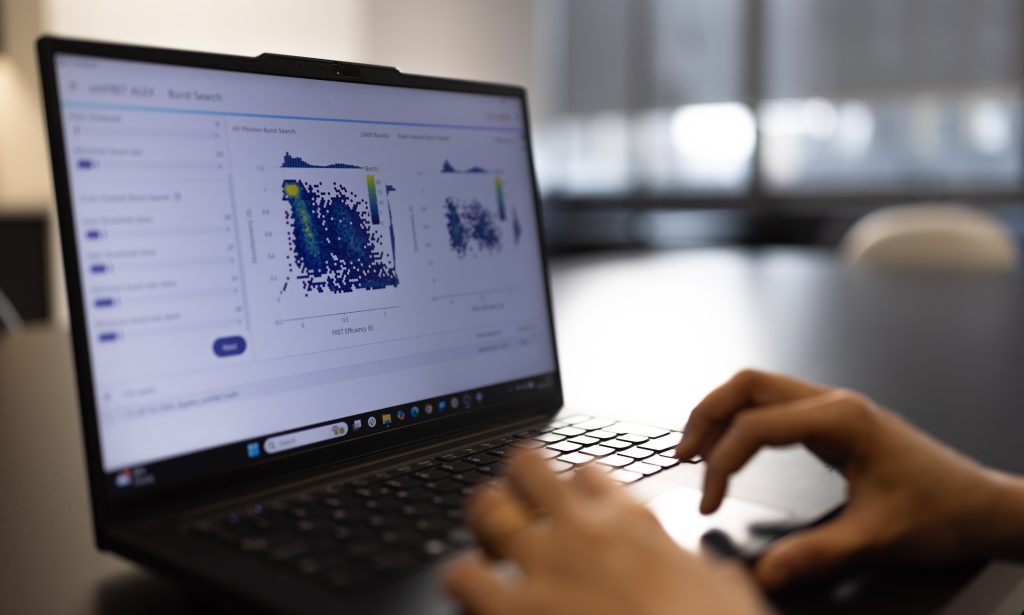
By removing the intimidation from these techniques, core facilities can foster a culture of genuine self-sufficiency to empower all users to access single-molecule insights, from undergraduate students all the way up to postdocs and professors.
One platform, diverse biological questions
Getting the most out of a single instrument is vital in shared facilities, both in terms of the methods that it provides and the experimental scope, ideally across departments.
By packing multiple advanced biophysical techniques (smFRET, FCS, and FCCS) into a single platform, the EI-FLEX system is ideal for exploring dynamic molecular characterisation across a wide range of applications, allowing a facility to seamlessly support diverse grant objectives and departments.
Some potential applications include:
- Structural biology & biochemistry: Researchers can map transient protein-folding pathways, structural intermediate states, or dynamic conformational changes using smFRET without the complex surface-tethering chemistry that often leads to artefacts
- Immunology & Virology: Teams can measure antibody binding affinities and complex molecular stoichiometries at low picomolar concentrations via FCS or monitor the inhibition of RNA replication, mapping therapeutic mechanisms
- Oncology & Pharmacology: Scientists can use FCCS to directly monitor target engagement and multi-component interactions, such as validating PROTAC-induced ternary complexes, in native environments
By offering this level of range from a single instrument, a core facility can attract funding support and interest from across the life sciences.
Complementary insights for the complete context
Bringing the EI-FLEX into a shared space isn’t intended to replace the existing infrastructure. Instead, it provides opportunities for completing the scientific narrative or opening up an entirely new one.
The rapid data generation provided by single-molecule spectroscopy beautifully complements many biophysical and structural techniques likely already used in core facilities. For example, cryo-EM data can define the structure of a target molecule, while smFRET data from the EI-FLEX is used to map out how that same molecule behaves in motion, in solution, and across varying environmental conditions.
By making these functional and structural insights accessible to non-experts, the facility becomes a collaborative hub where researchers can rapidly cross-validate their hypotheses or discover something entirely new.
To read more on this topic, we recommend our Structural Biologist’s Guide to smFRET.
Conclusion: Future-proofing the institutional infrastructure
The democratisation of advanced biophysics offers a unique opportunity for core facilities and the researchers they serve. By combining smFRET, FCS, and FCCS into a robust, benchtop footprint that eliminates specialised infrastructure and training requirements, the EI-FLEX system dismantles the historical barriers of space and complexity.
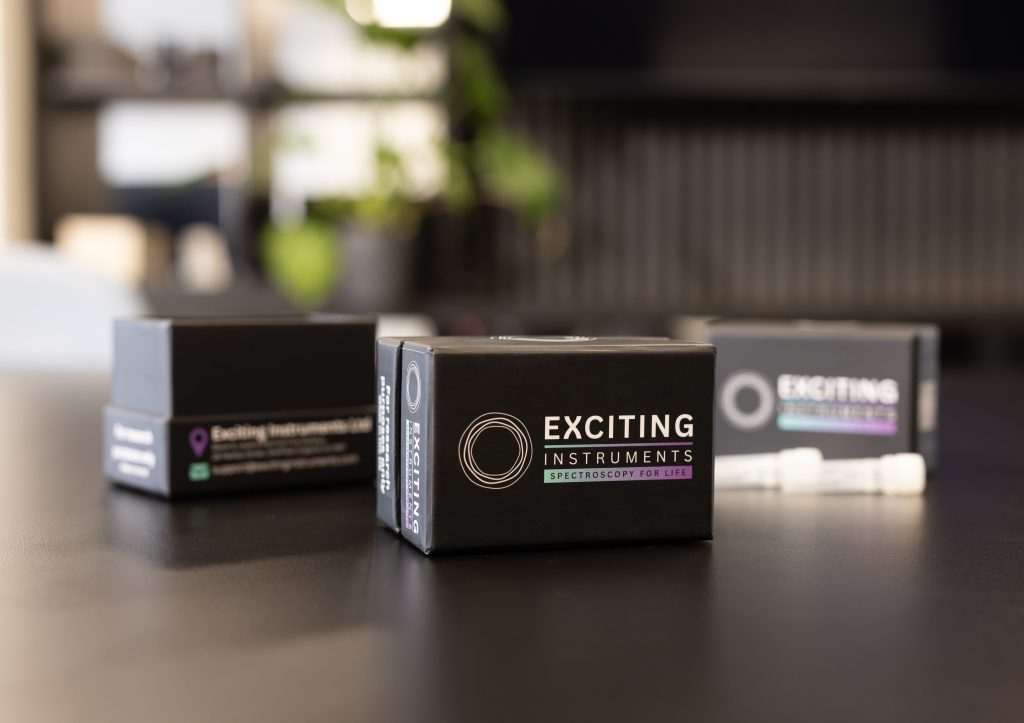
Bespoke kits, workflows and intuitive analysis software enable non-experts to generate novel insights and publication-ready figures, reducing training requirements from months to days.
Ultimately, an academic core facility thrives when its instruments are accessible, versatile, and continuously active.
With the EI-FLEX system, they can ensure that dynamic molecular characterisation and single-molecule insights will be everyday resources for the next generation of life scientists and their discoveries.
To learn more, access our resource library to discover a range of application notes, articles and publications using data captured on the EI-FLEX system, many of which have arisen from core facilities.
For a deeper dive on the techniques and their applications, see our handbooks: smFRET Handbook and FCS/FCCS Handbook.