Discover how fluorescence cross-correlation spectroscopy (FCCS) can simplify ternary complex analysis in drug discovery. This practical handbook explores in-solution measurement of complex formation, hook effects, cooperativity and stability, with real-world workflows for targeted protein degradation and multi-specific biologics.
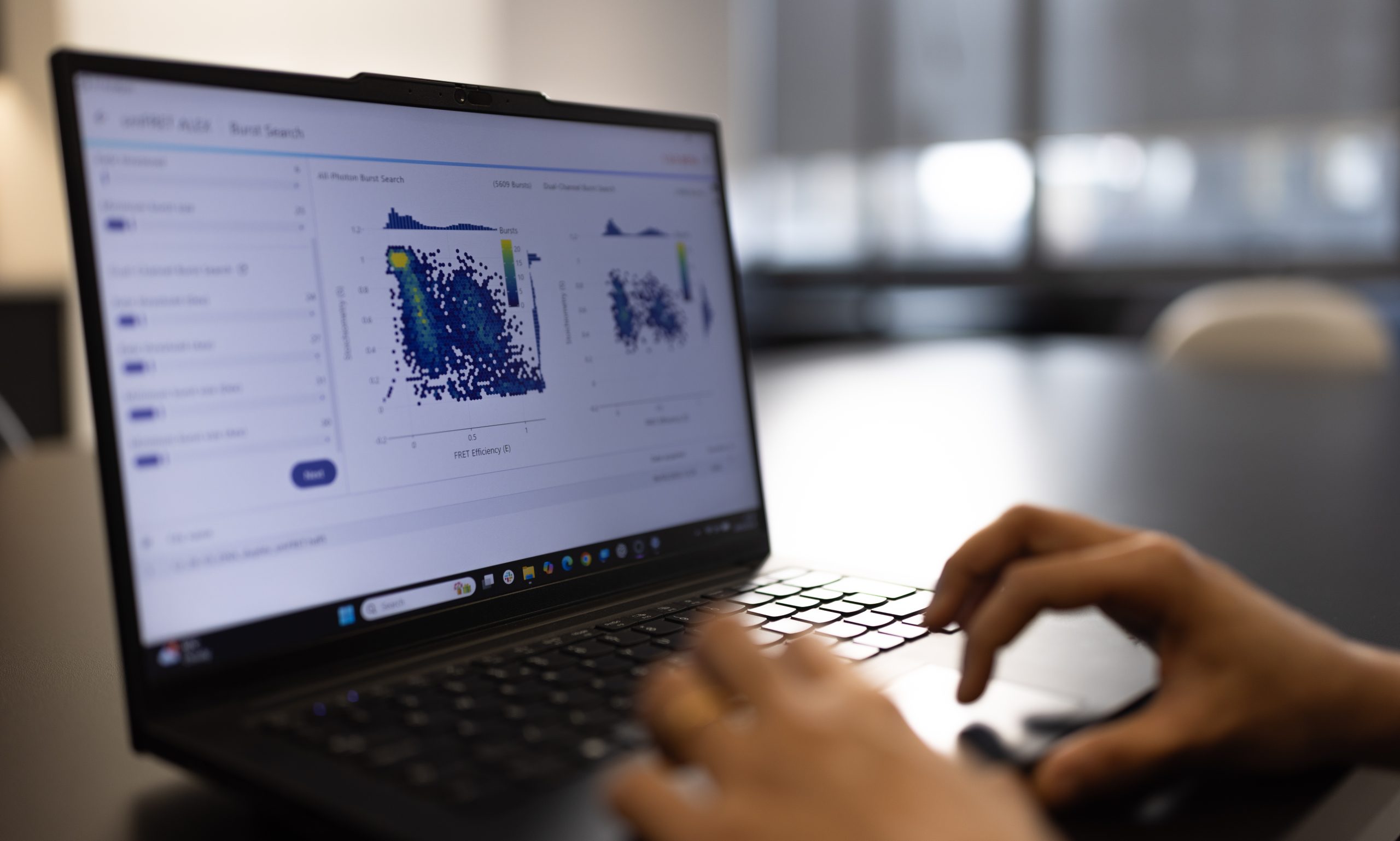
In this press release, we announce the launch of the PhotonFit analysis software, a streamlined software platform designed to remove long-standing technical barriers to smFRET, FCS, and FCCS data processing.
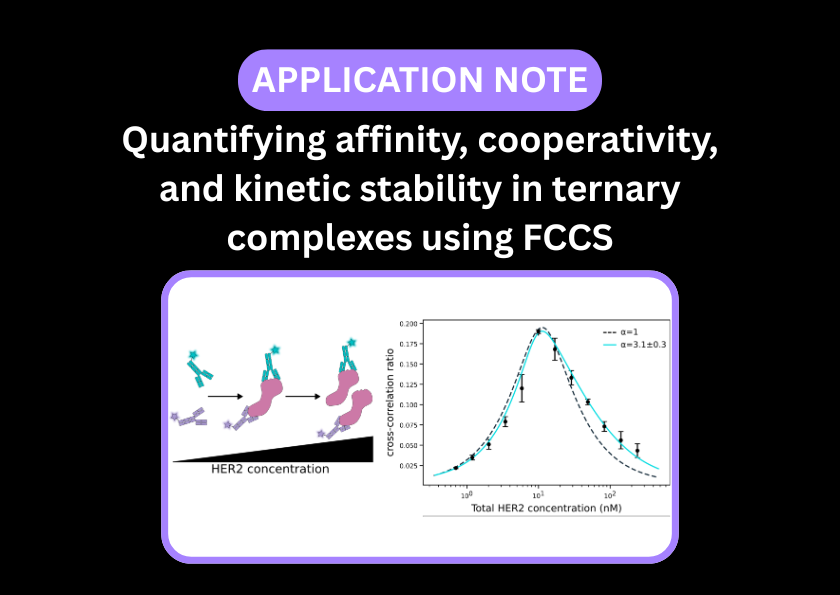
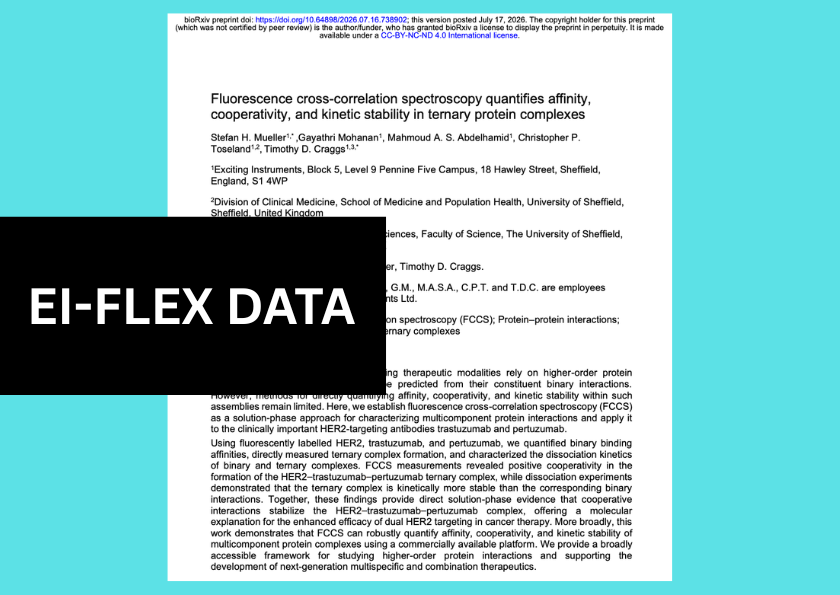
In exciting new data from Exciting Instruments HQ, see how FCCS performed on the EI-FLEX Pro to quantify affinity, cooperativity, and kinetic stability in ternary complexes using dual HER2-binding antibodies.
See how researchers used the EI-FLEX Pro HT to perform high-throughput FCCS, quantifying affinity, cooperativity and kinetic stability in HER2 antibody ternary complexes.
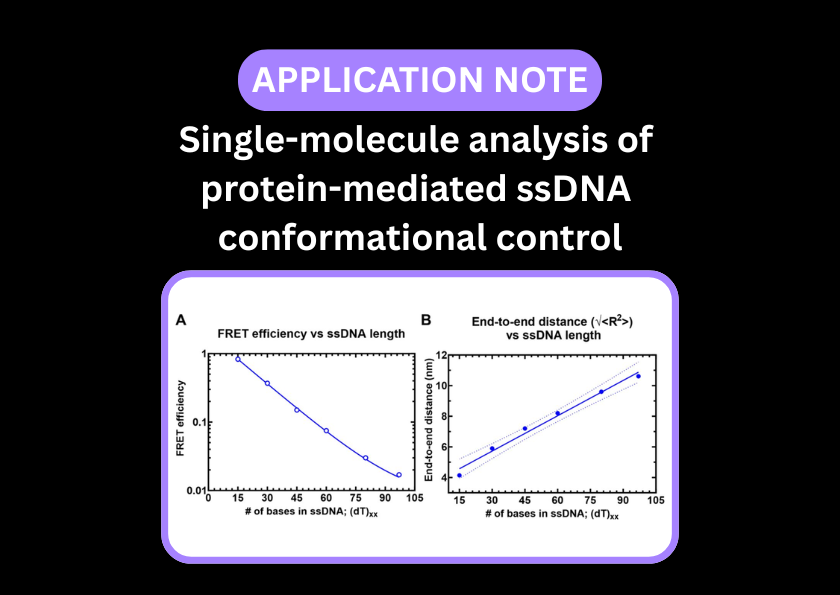
Curious to see smFRET data on ssDNA? Here, we show how the EI-FLEX confirmed DNA wrapping around replication protein A, providing consensus on previously conflicting structural data.
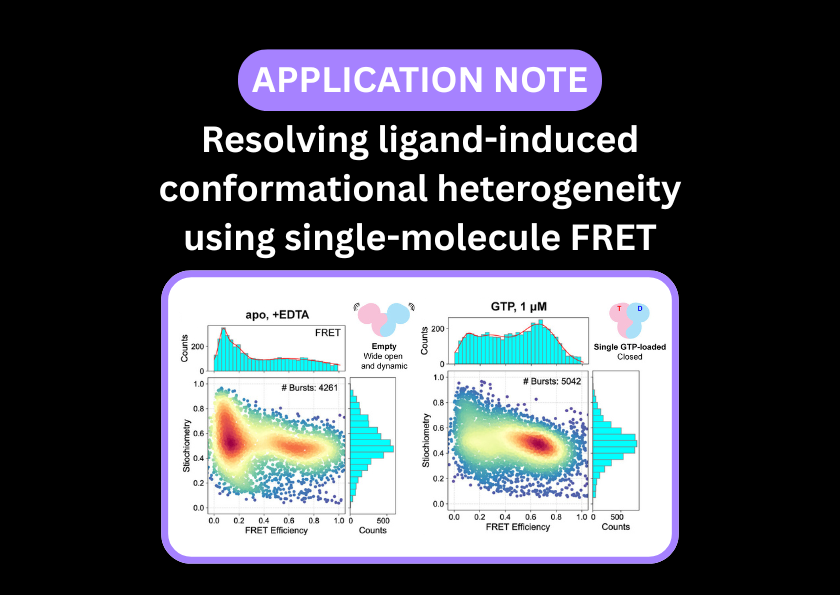
Discover how smFRET performed using the EI-FLEX resolved the conformational changes of a highly dynamic heterodimeric protein, Rag GTPase, that binds nucleotides and the serine/threonine protein kinase complex mTORC1.
In this second celebratory article, we explore how smFRET has revolutionised our understanding of biomolecular mechanisms and how this is now being applied to modern therapeutics.
Hear from Alex Payne-Dwyer, Senior Technical Specialist at the University of York, who discusses his experiences of running the EI-FLEX in a core facility.
Bringing smFRET, FCS, and FCCS out of the specialist dark room, the EI-FLEX system is democratising advanced biophysics in core facilities by combining single-molecule resolution with simple, code-free workflows that maximise institutional utility.
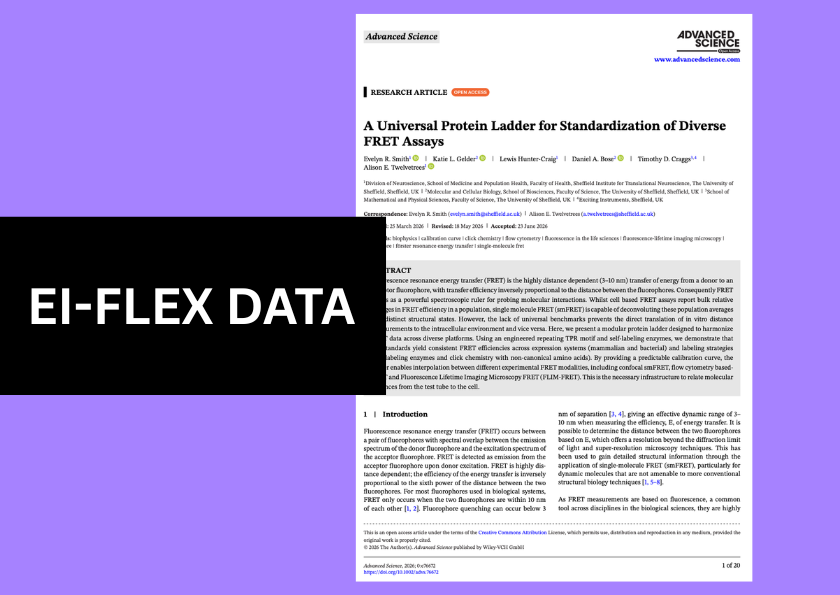
As smFRET turns 30, trace its evolution from a ground-breaking physics concept into the democratised, high-throughput benchtop tool that is transforming the life sciences and modern drug discovery.